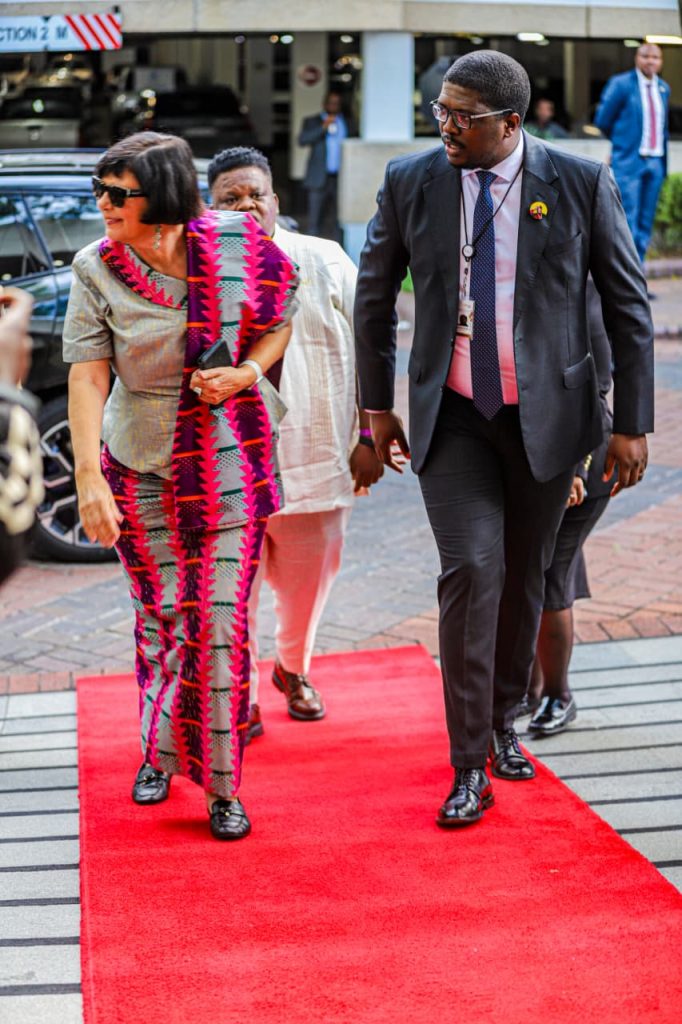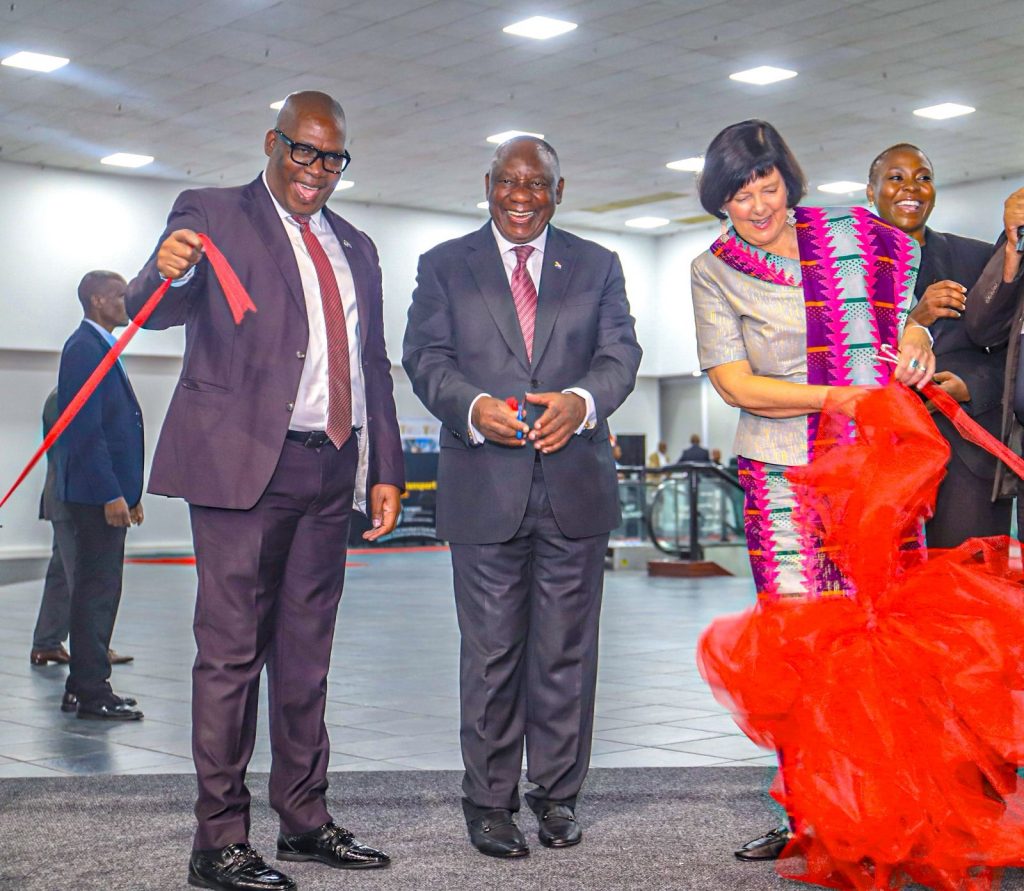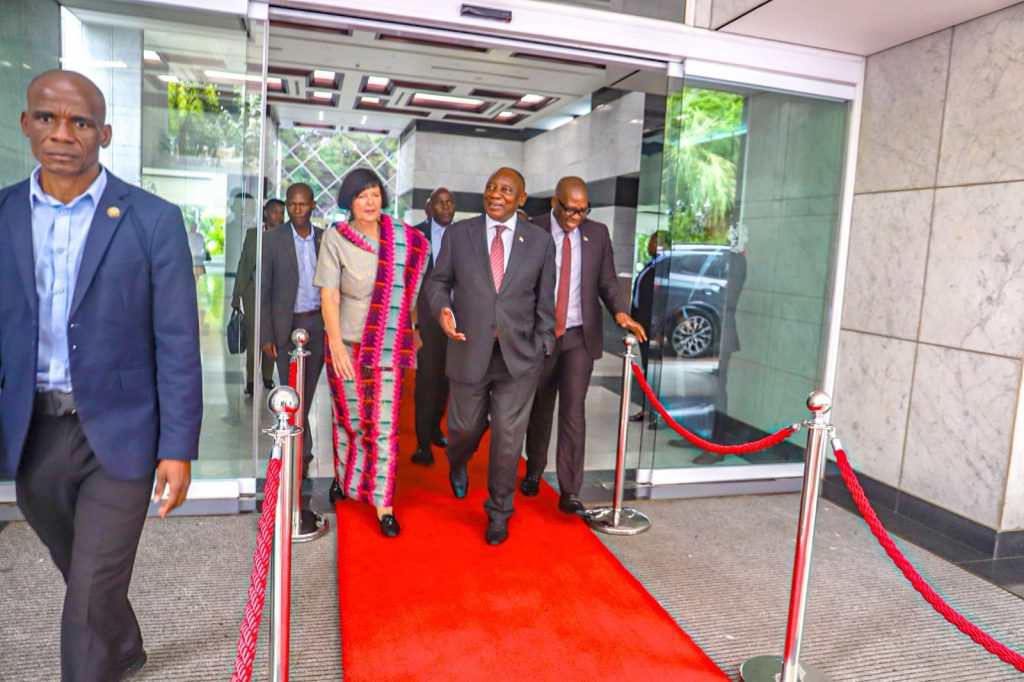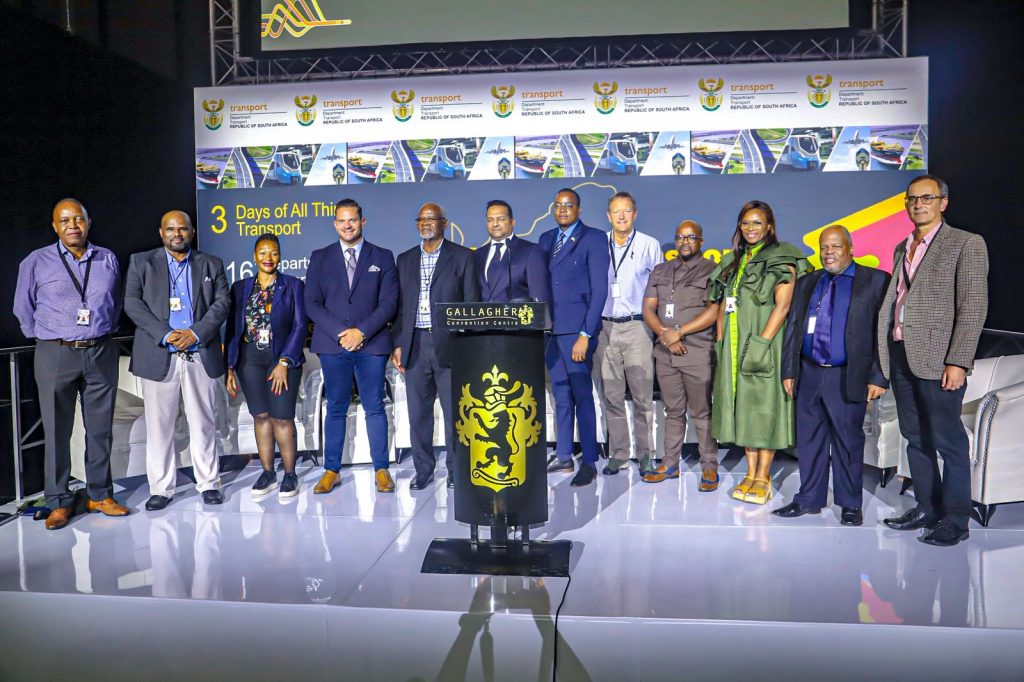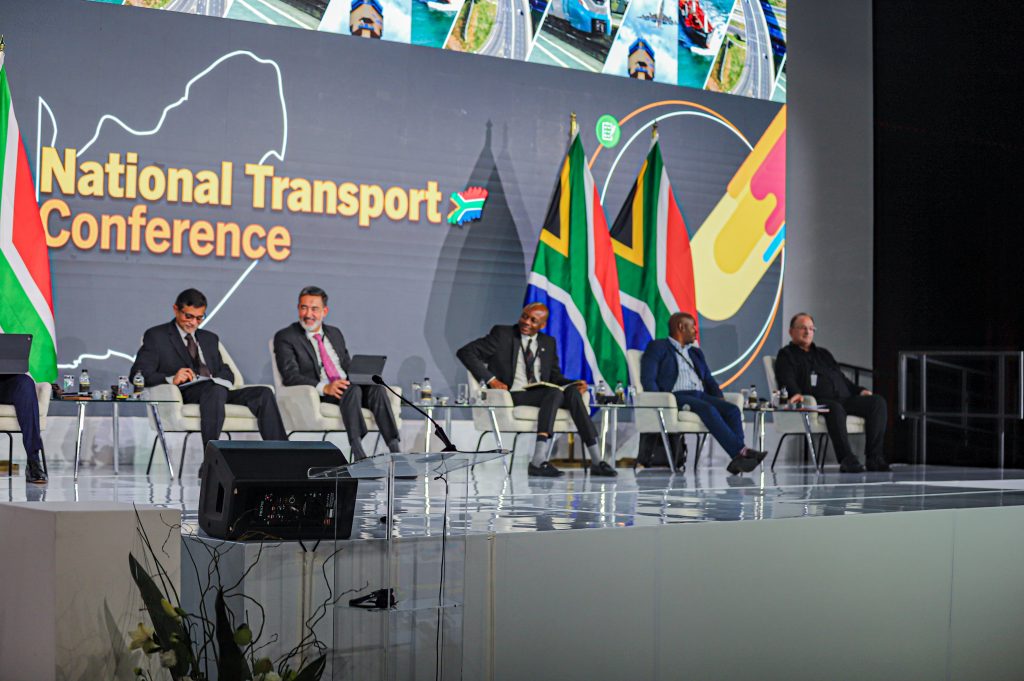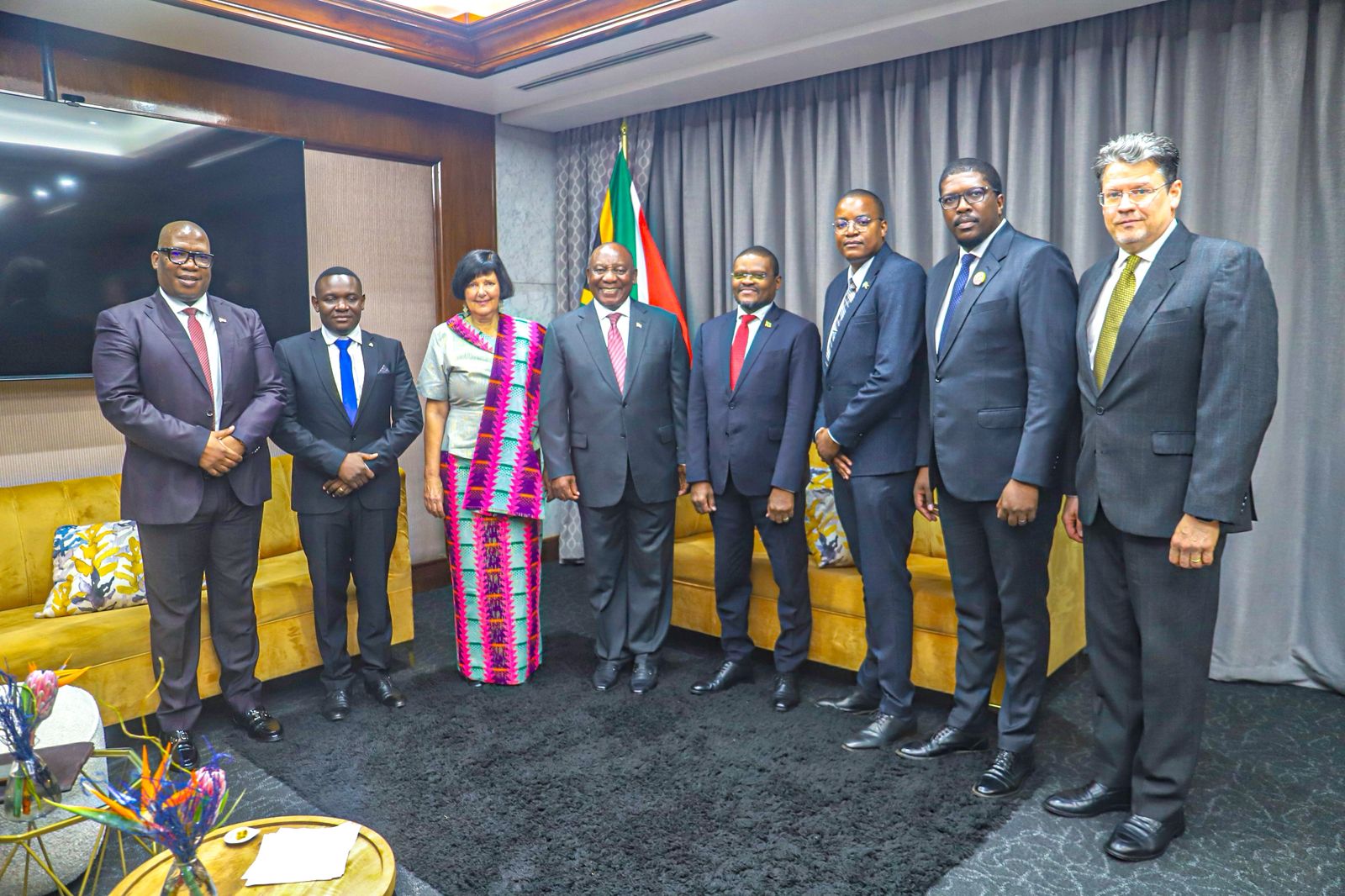
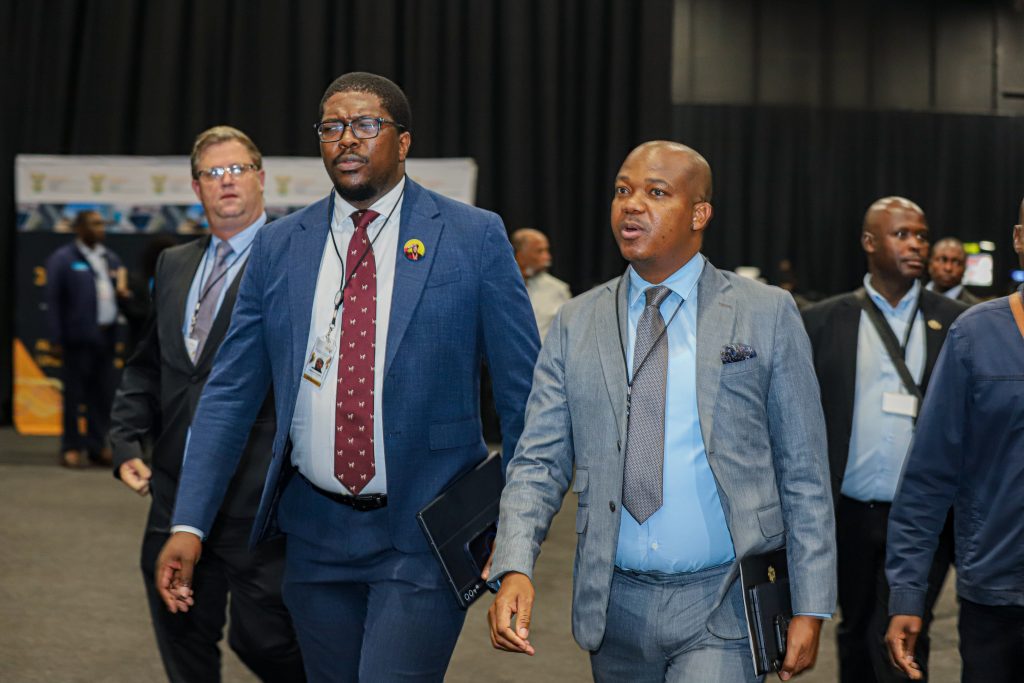
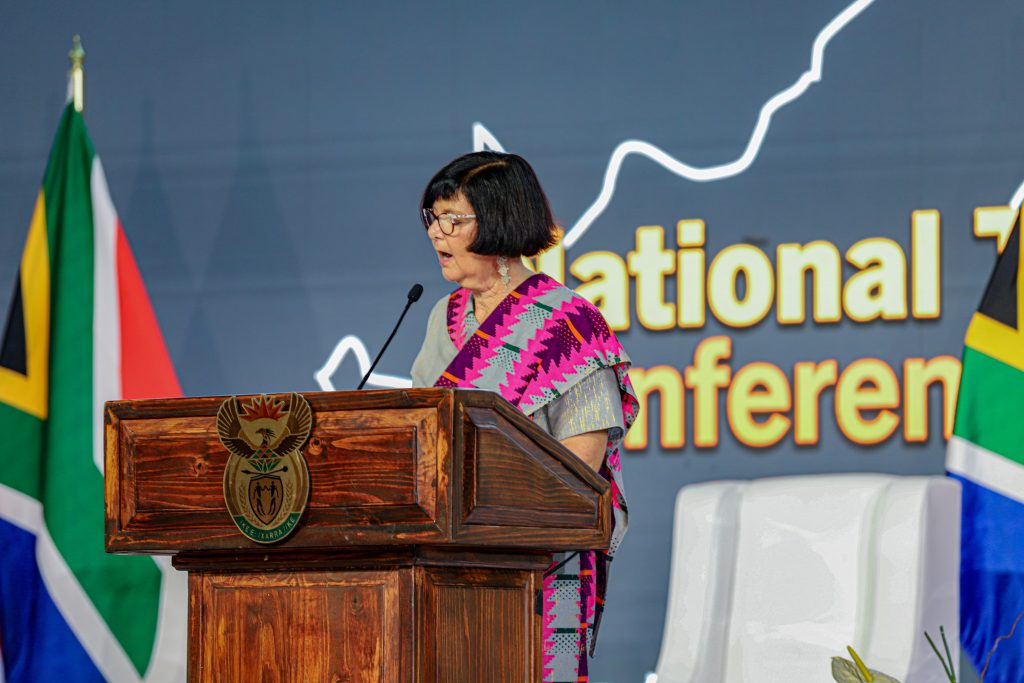
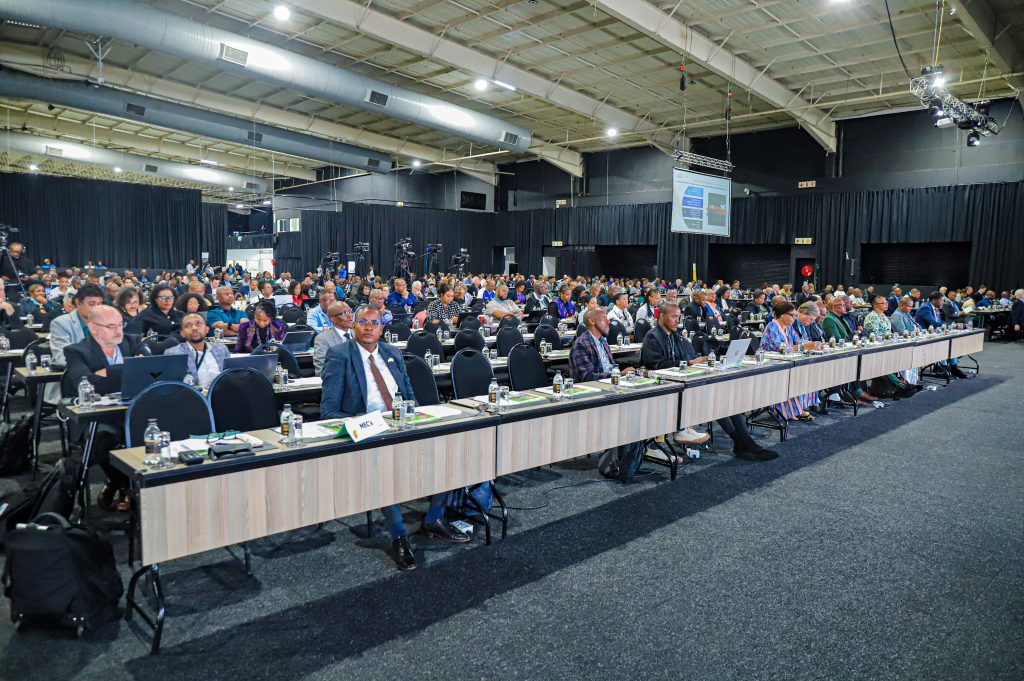
The National Department of Transport has taken a bold step toward economic recovery and inclusive development with the launch of the inaugural National Transport Conference, Hosted by Minister of Transport Ms Barbara Creecy and Deputy Minister of Transport Mr Mkhuleko Hlengwa, the inaugural National Transport Conference brought together over 1500 delegates including global industry leaders, international investors, and policymakers to map the way forward for the country’s logistics and mobility future.
Held at Gallagher Estate, the conference marked a turning point in repositioning transport as the backbone of the country’s growth strategy.
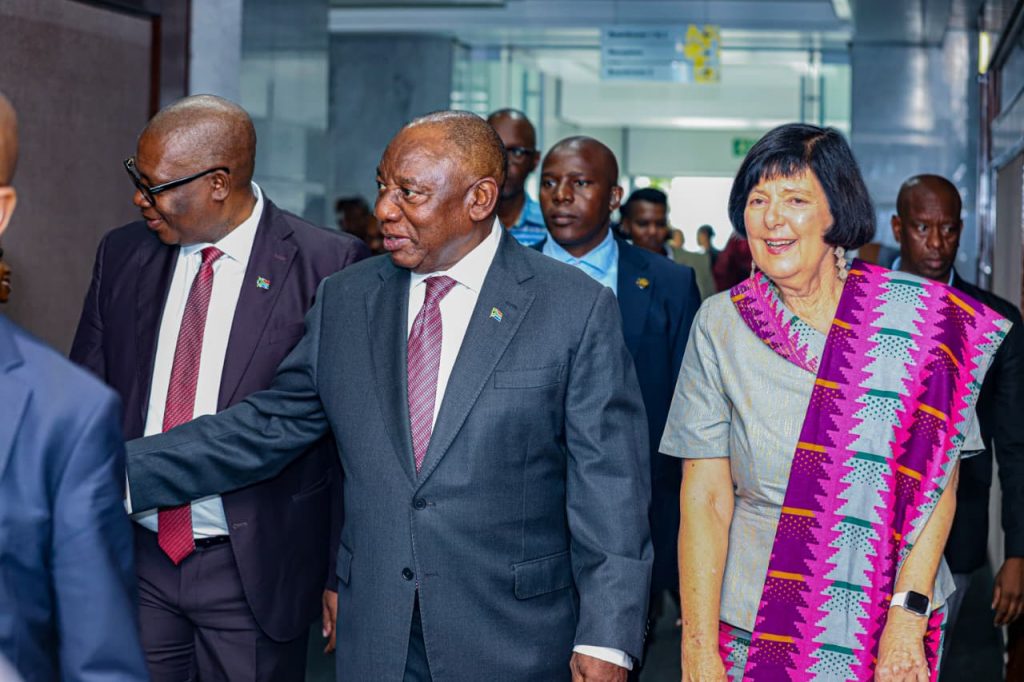
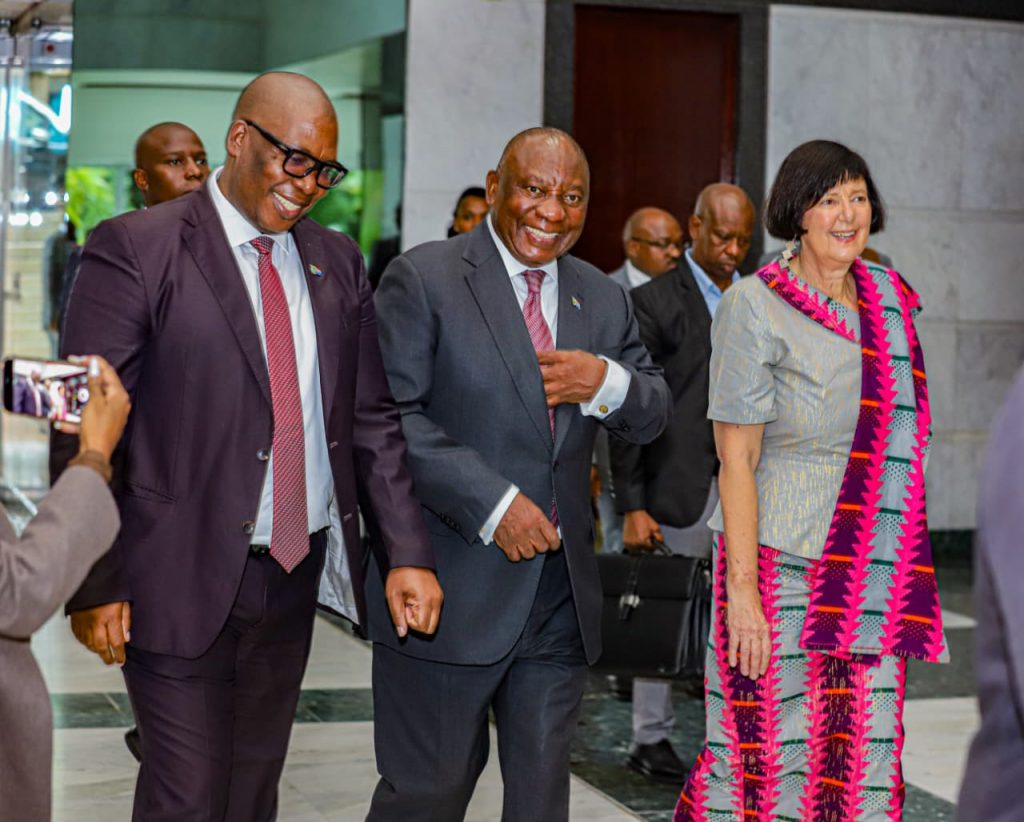
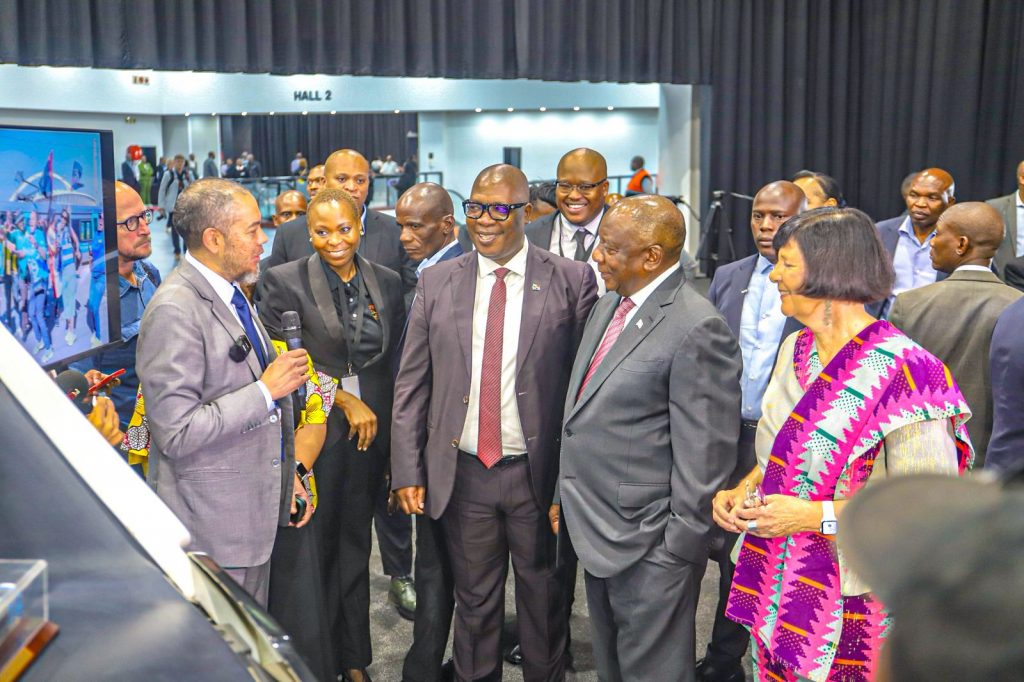
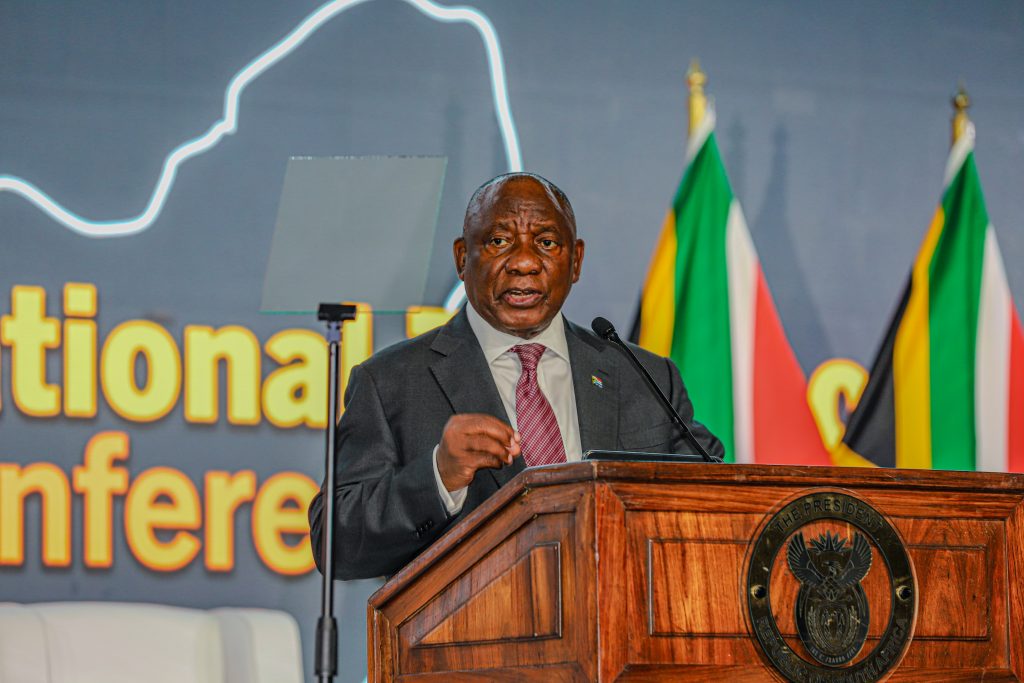
President Cyril Ramaphosa set the tone with a sweeping reform agenda, declaring that modern, efficient transport is key to unlocking opportunity and restoring competitiveness.
“When our transport arteries are blocked or inefficient, growth stalls, costs rise and opportunity diminishes. When they flow freely, the country thrives.” – President Cyril Ramaphosa
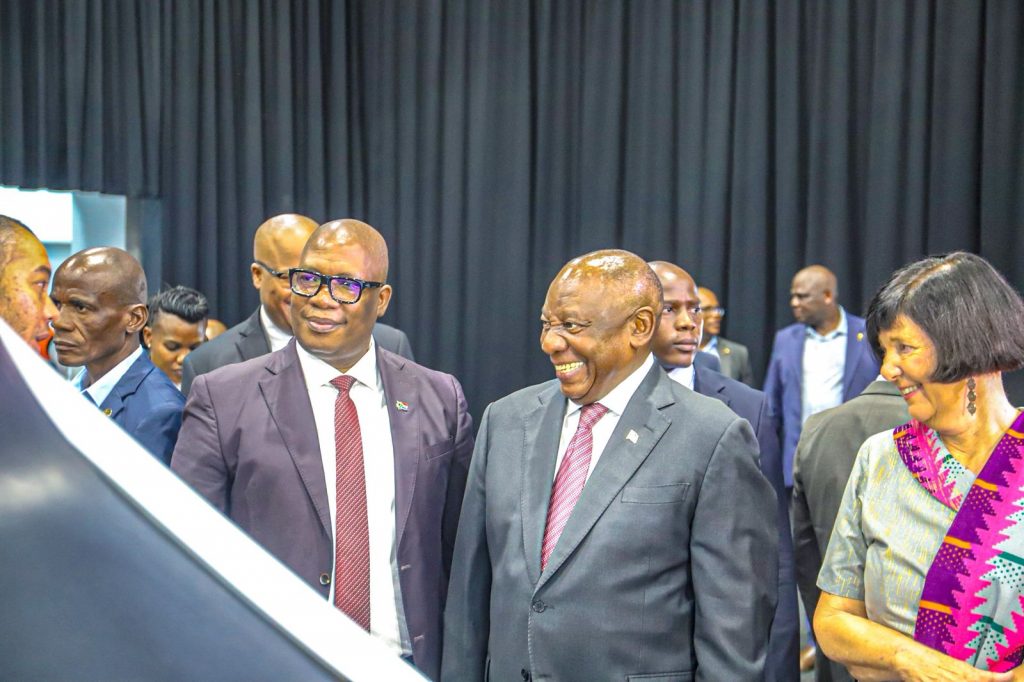
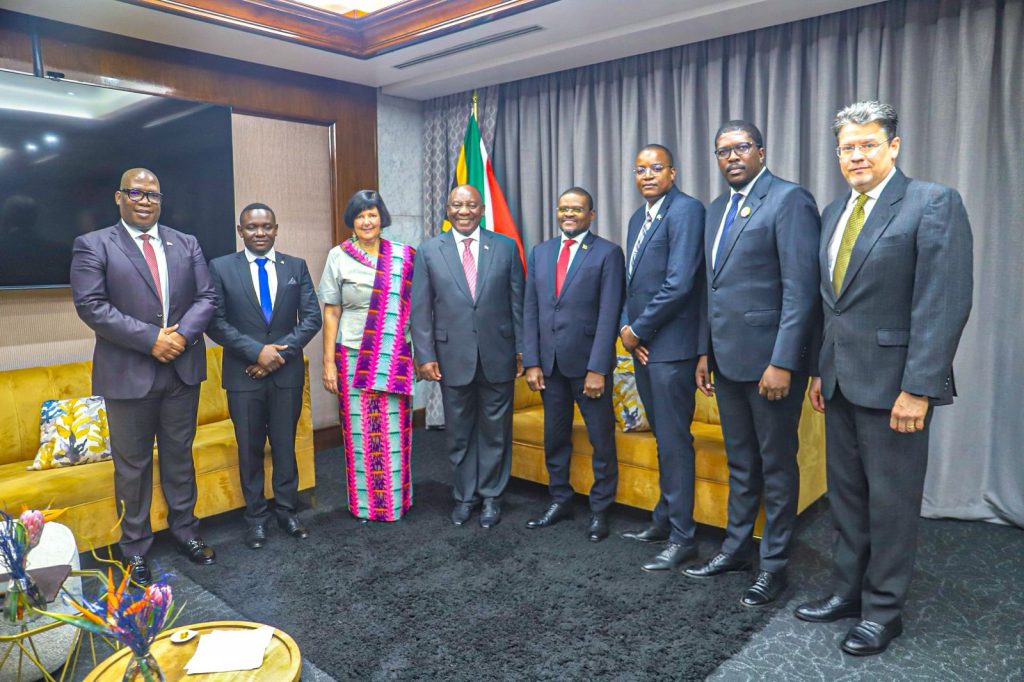
With nearly 70% of freight moving by road and inefficiencies costing the economy close to R1 billion a day—the President announced a fundamental shift of re establishing rail as the backbone of logistics, opening the network to private operators, and targeting 250 million tonnes of freight by rail by 2029.
Over three days, the conference, the first of its kind in South Africa featured in depth breakaway sessions across rail, maritime, aviation, road transport, and public transport branches. Minister Barbara Creecy welcomed delegates and underscored government’s commitment to cross sector collaboration. Deputy Minister Mkhuleko Hlengwa steered the closing plenary, reinforcing the spirit of partnership that defined the event.
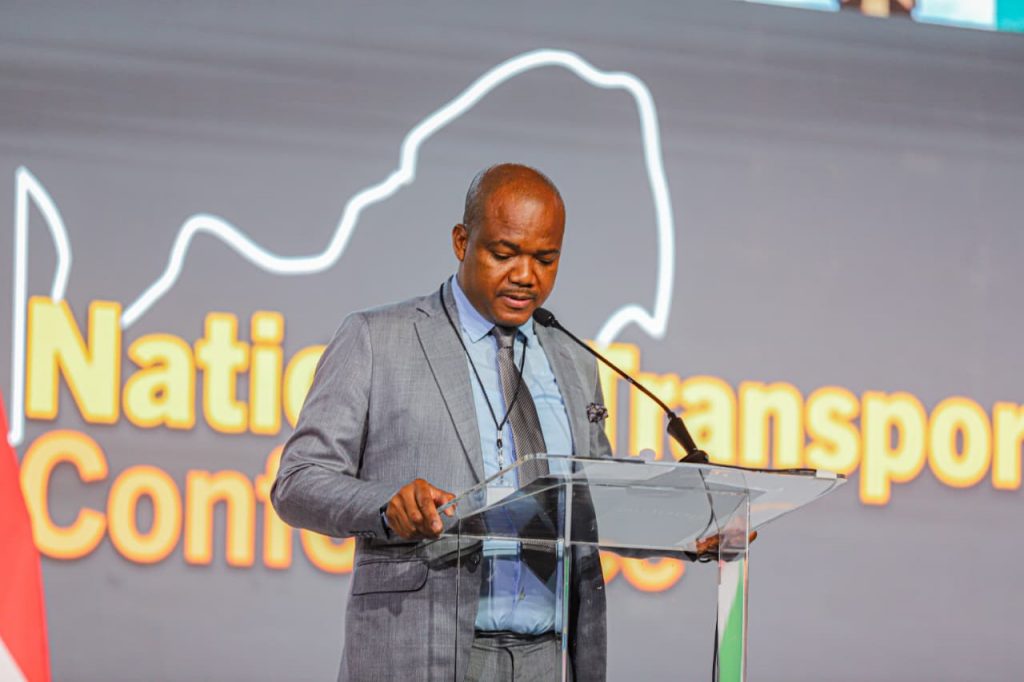
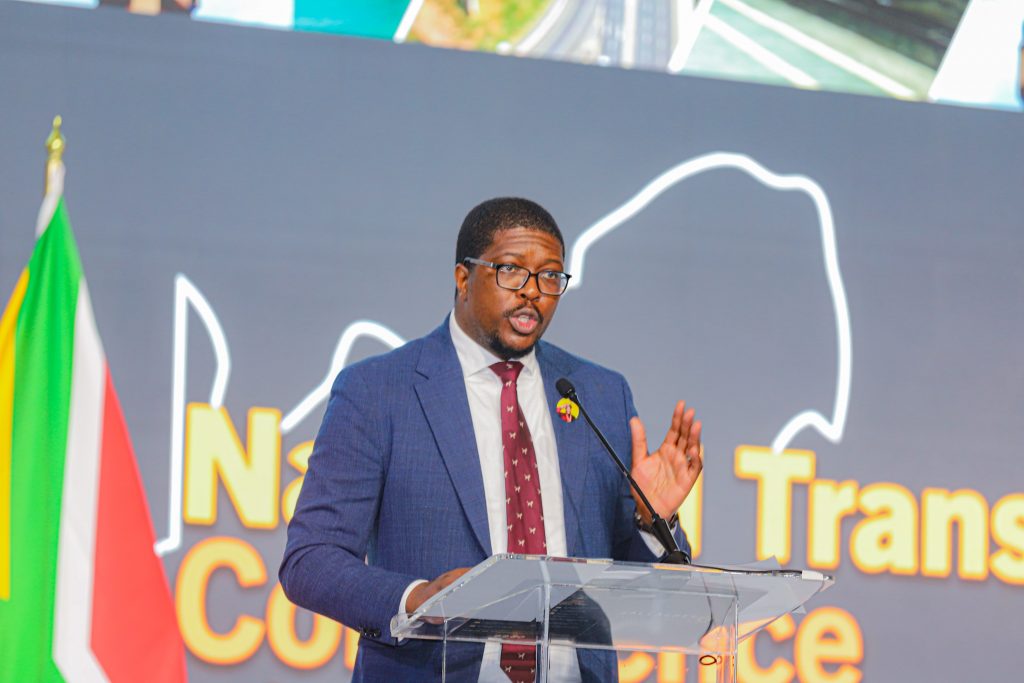
Drawing on the success of the Energy Council, President Ramaphosa proposed a permanent Transport Council a cross sector partnership between government, business, and labour to drive the reforms forward.
“Just as collaboration transformed our energy response, cross sector collaboration of this kind will enable further stabilisation and inclusive growth in transport.”
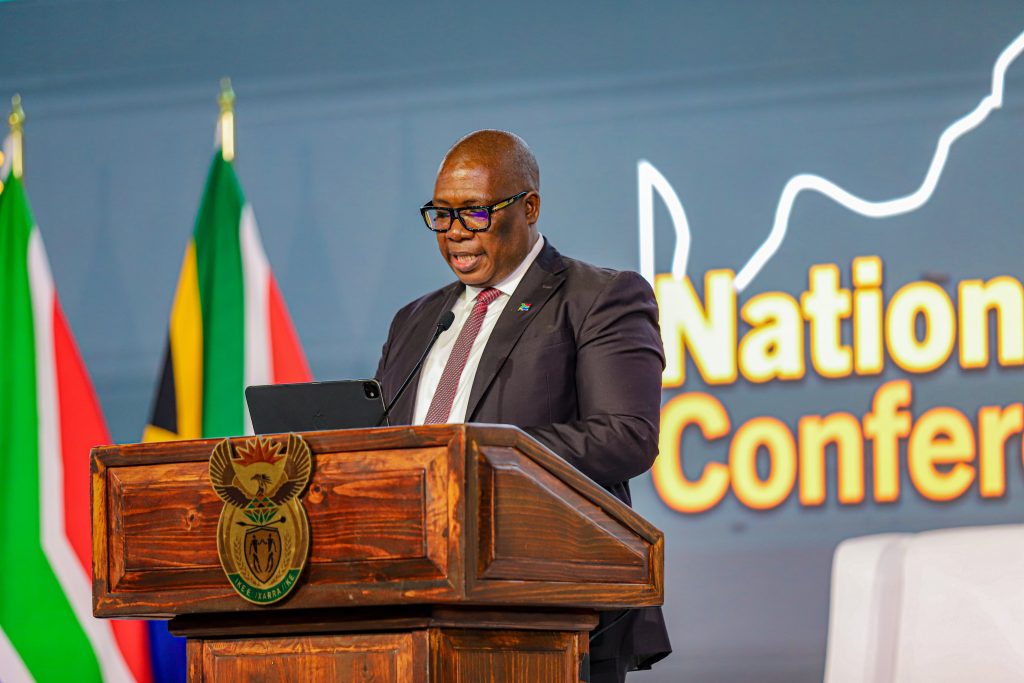
The conference closed with a commitment to turn three days of dialogue into action. With rail corridors reopening, private operators preparing to enter the market, and a clear focus on safety and sustainability, South Africa is positioning transport as the engine of inclusive growth for its own people and for the continent.